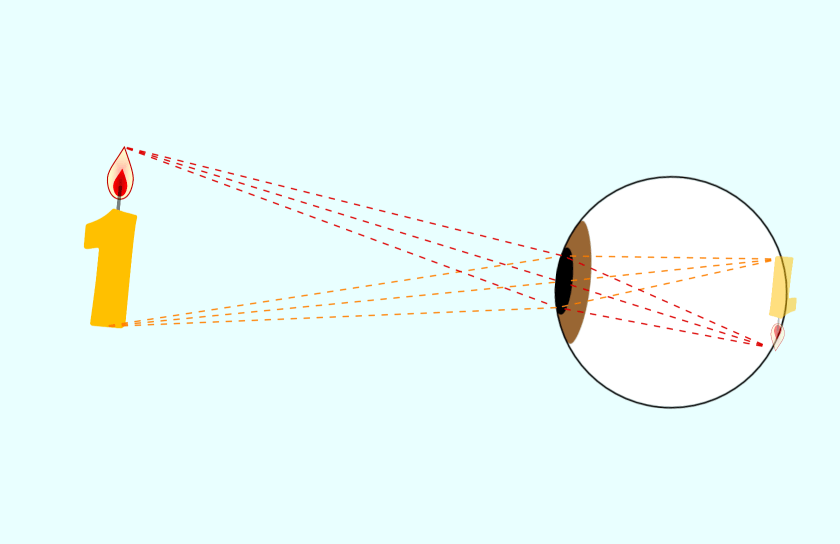
See the Light
Even if the object does not shine by itself, why can we see it? The eye is the organ that feels light. Even if the object does not shine by itself, why can we see it? … more

Science simulation, Probeware, Coding
Even if the object does not shine by itself, why can we see it? The eye is the organ that feels light. Even if the object does not shine by itself, why can we see it? … more
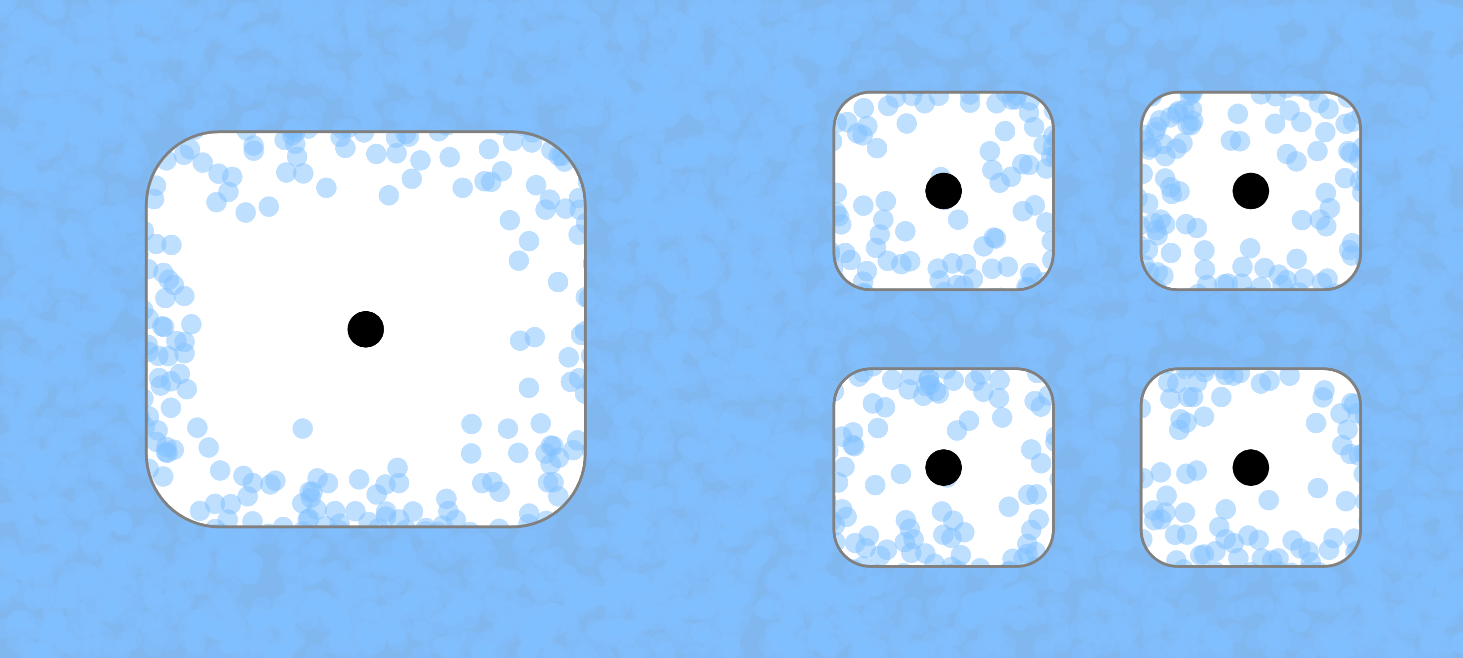
Why are cells so small? Living cells are constantly exchanging substances with their surroundings. Cells have to absorb nutrients and get waste products out. Most cells, including our body, need to absorb oxygen to get energy. … more

Pulse When the heartbeats, blood flows through the blood vessels in a certain rhythm, causing the blood vessels to vibrate. This vibration is called the pulse. So, by measuring your pulse rate, you can find out … more
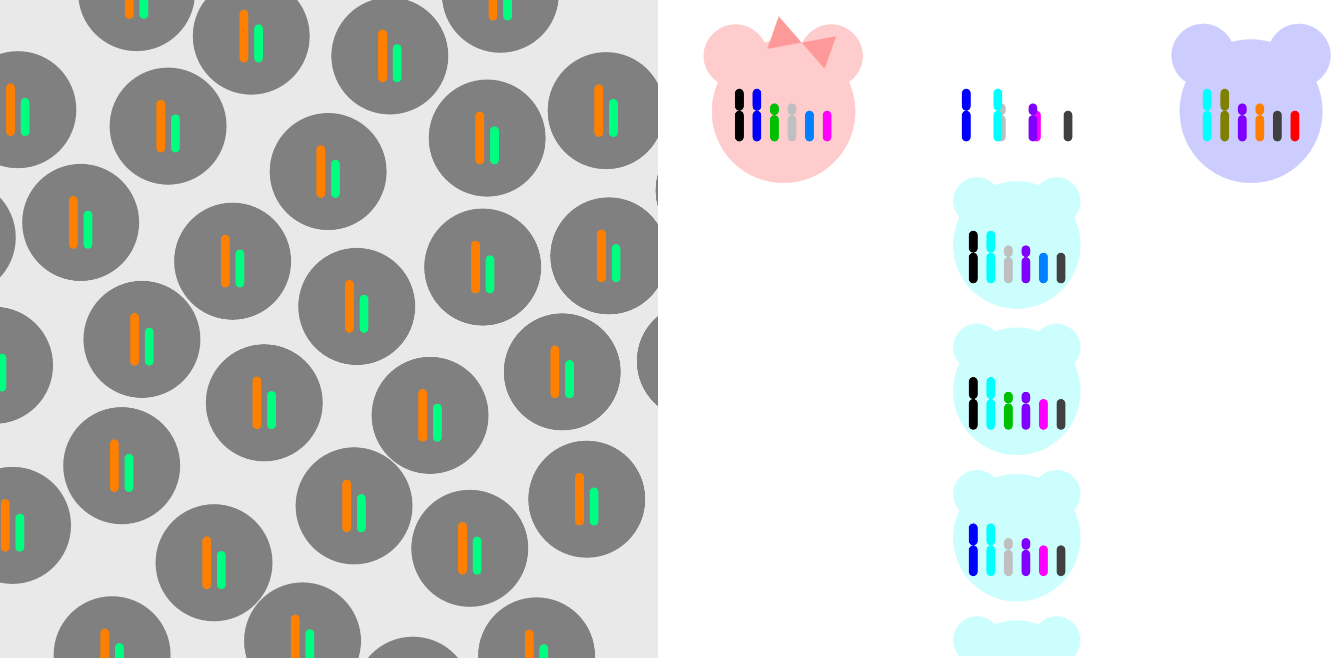
Asexual reproduction Some living things do not make reproductive cells. They make new offspring through cell division. This method of reproduction without male and female reproductive cells is called asexual reproduction. Sexual reproduction Many of the … more
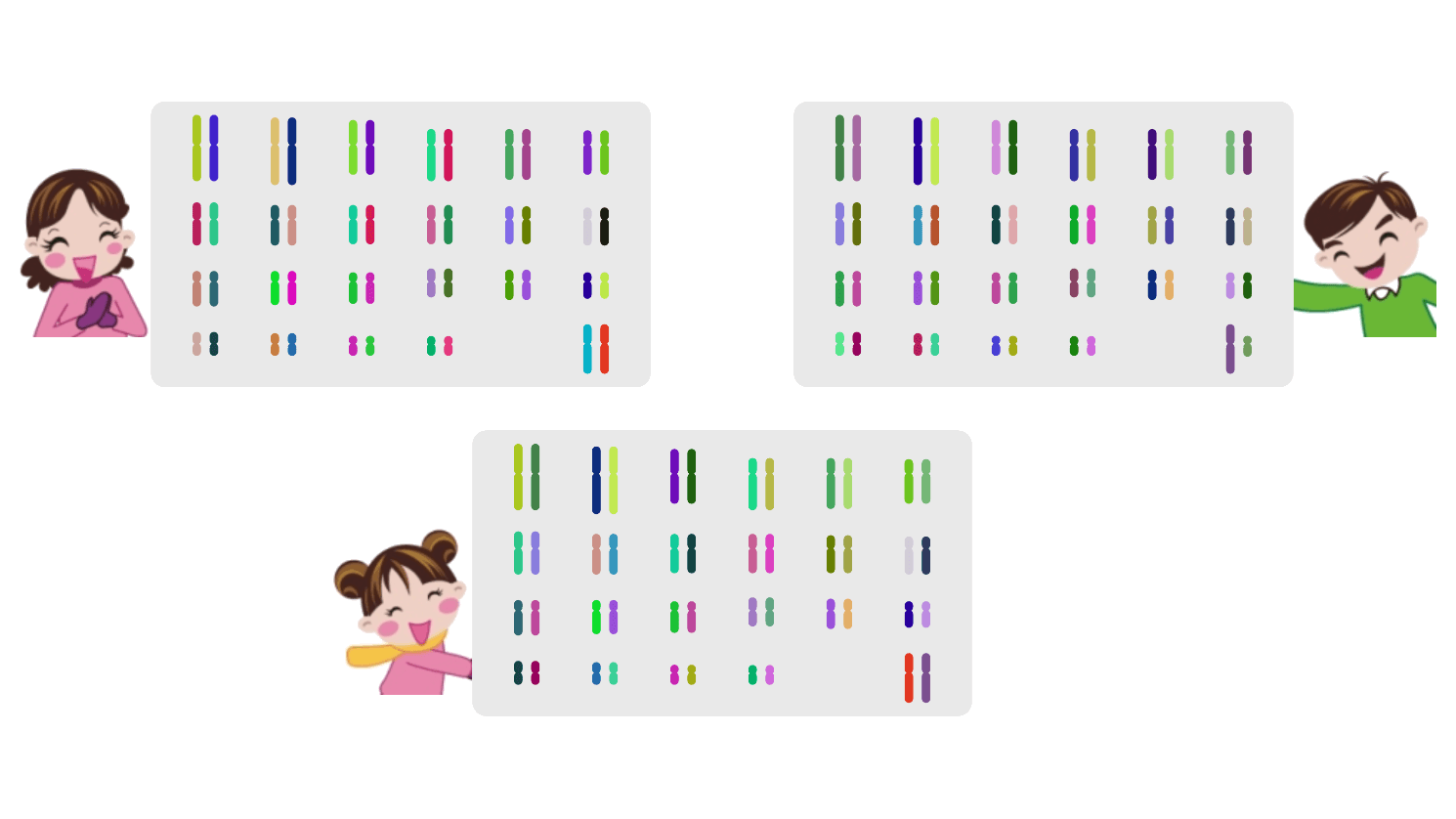
Genetic diversity Suppose a child inherits chromosomes from parents and constructs a new pair of chromosome pairs. A child can receive an ‘A’ or ‘a’ from his mother and a ‘B’ or ‘b’ from his father. … more
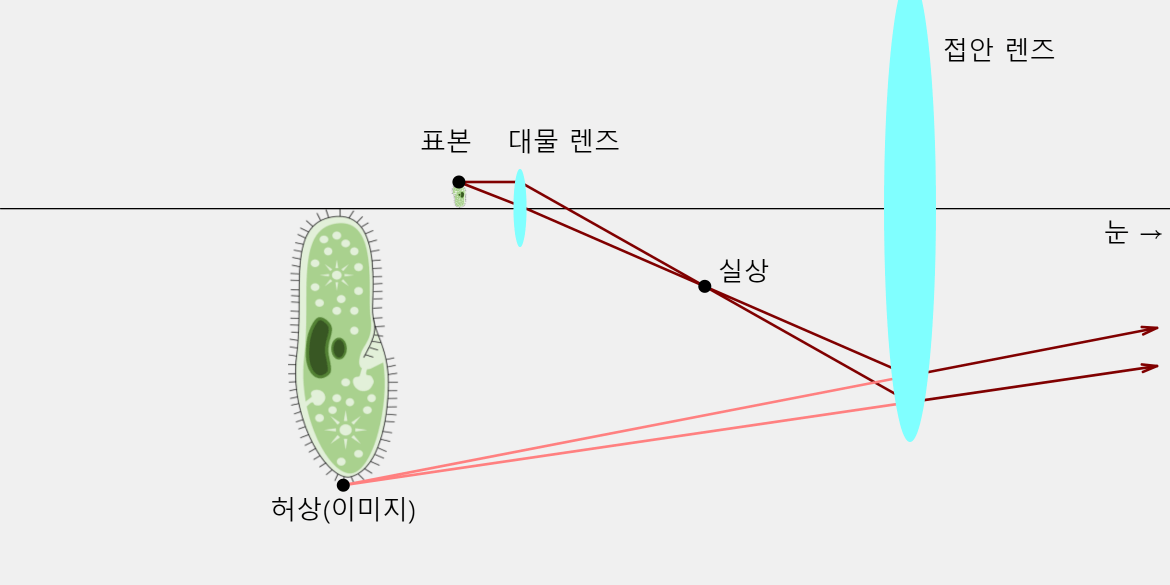
Microscope The microscope consists of an objective lens and an eyepiece. The objective lens has a short focal length. The light reflected or transmitted by the object is gathered between the objective lens and the eyepiece. … more